Neurodiversity
Libraries
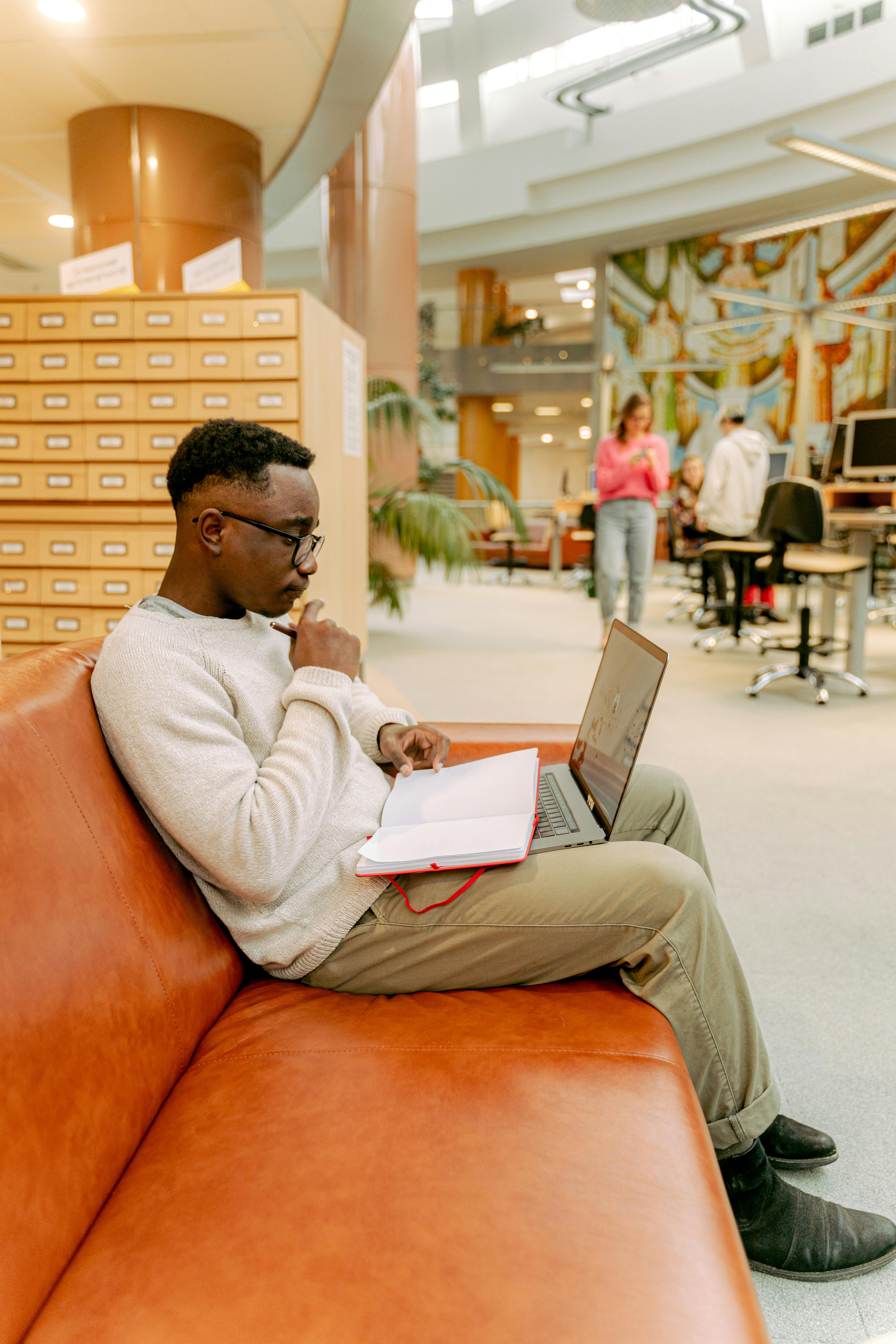

This experience could have ended my relationship with libraries forever. Instead, it fuels my passion as a librarian to create truly predictable, inclusive spaces where neurodivergent patrons feel safe and understood.
ADHD
Those with ADHD-I (Inattentive) need extra processing time and benefit from clear, step-by-step instructions, making predictable spaces crucial for maintaining focus.
ADHD-H (Hyperactive) users process information better while active and need movement opportunities. Predictable environments allow them to know where and when movement is appropriate. Individuals with anxiety often feel overwhelmed in busy spaces and thrive with predictable routines and gentle support; having clear escape routes and knowing what to expect reduces stress.
OCD
Those with OCD prefer organized, structured environments, excel at creating systems, and need predictability and order to feel secure.
Autism
Autistic individuals experience sensory sensitivities and notice details others might miss, making predictable environments essential for managing sensory input and processing information effectively.
As I discussed in my article, Creating an Inclusive Library Environment: Beyond One-Size-Fits-All, sensory considerations, and Universal Design principles are crucial for creating spaces that work for everyone.
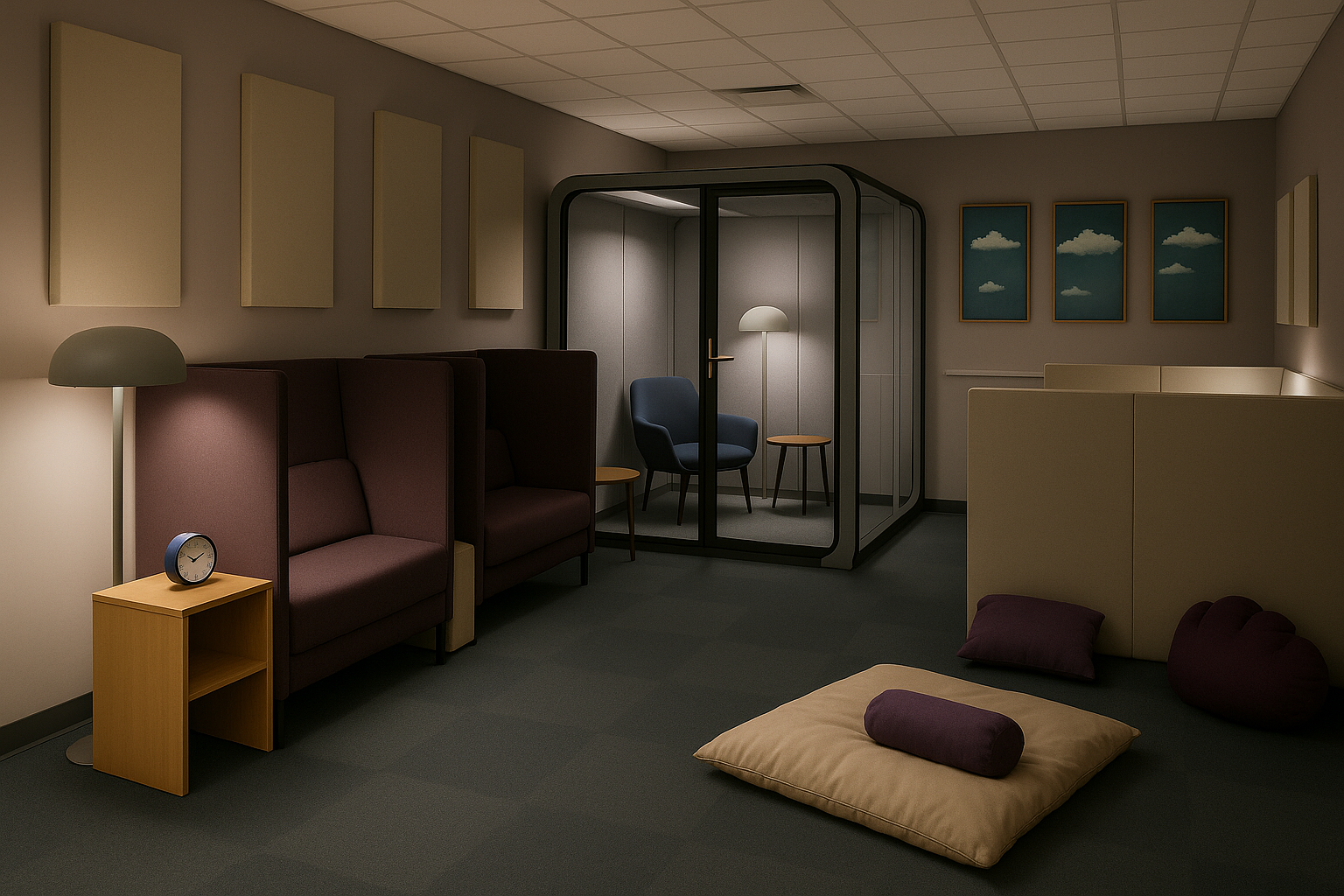
When we create predictable library environments that account for these varied needs, incorporating features like sensory escape spaces, clear wayfinding, and multiple communication pathways, we support all users in accessing services comfortably. This approach aligns with the AFU Design Guide's emphasis on creating spaces that are "inclusive of all needs and ensure that the needs of one group do not create a barrier for others" (Mostafa, 2021).
This means considering:
Clear transitions between noise levels
Designated zones for different activities
Consistent routines and procedures
Multiple lighting options
Predictable service patterns
Clearly outline expectations for different spaces
Provide visual noise level maps
Offer multiple ways to access help
Create predictable pathways through services
I discuss how wayfinding and navigation play a crucial role in creating predictable environments. You can read more about specific wayfinding strategies in, Wayfinding and Signage: Making Libraries Navigable.
Consider a typical reference interaction. While librarians understand the flow of a reference interview, for many students, this interaction can feel unpredictable and anxiety-inducing. A student may be thinking: What is a reference? What happens exactly? It is important that we remove jargon from our communication and library environment.
Questions they might have include:
What questions will the librarian ask me?
What kinds of questions can I ask?
How long will this take?
Will I need to share my screen?
Can I communicate in a way other than speaking?
For example, can we do this over chat, Teams, or Zoom?
Clear communication starts with jargon-free language:
Instead of "Reference Interview" or "Research Consultation" → "Ask a Research Question" or "Research Help"
Instead of "Circulation Desk" → "Check Out Desk"
Instead of "Information Desk" → Clear signage about what information is available
Does the library share a building with other services (technology or writing center)?
Where should students ask for help with those services?
Are those points of service clearly marked?
Provide clear outlines of what happens during different service interactions
Offer multiple communication options (chat, email, in-person)
Allow students to choose their preferred communication method
Break down complex processes into clear, manageable steps
Use direct, literal language in our explanations
Practical Implementation
Create Service Guides: Develop clear, step-by-step explanations of common library interactions:
"What to expect when you ask for research help"
"How to request materials from other libraries"
"Step-by-step guide to finding course materials"
Use Multiple Formats: Provide this information in various formats:
Brief text descriptions
Visual guides alongside text
Short videos with transcripts
Printable handouts with clear steps
Set Time Expectations: Let users know approximately how long different services typically take:
"Quick research questions: 5-15 minutes"
"In-depth research help: 30-60 minutes"
"Technology assistance: 10-20 minutes"
Offer Multiple Help Options: As McMullin & Walton (2019) note, many neurodivergent users "may be hesitant to ask for help" (p. 74). Provide alternatives:
Online FAQs
Chat services
Email options
In-person assistance
By implementing clear communication strategies, from direct signage to transparent service expectations, we create spaces that work for everyone. When we replace library jargon with clear language, break down complex processes into manageable steps, and provide multiple pathways for engagement, we reduce anxiety and cognitive load for all users.
Remember that creating predictable environments isn't about removing flexibility. It's about providing clear structure and expectations so that every user can focus on what matters most: learning and discovery. Through thoughtful implementation of these principles, we create libraries that truly support universal access and empower all minds to shine.
References
Doyle, N. (2020). Neurodiversity at work: A biopsychosocial model and the impact on working adults. British Medical Bulletin, 135(1), 108–125. https://doi.org/10.1093/bmb/ldaa021
Mostafa, M. (2021). The autism friendly university design guide. Autism Friendly DCU.
McMullin, R. M., & Walton, K. R. (2019). Supporting students on the autism spectrum: A practical guide for academic libraries. Libraries Unlimited.